Mesa rewards good planning. The streets grid out cleanly, summer heat challenges timing, and a surprising number of small homes and casitas hide clever storage niches that only reveal themselves when you start packing. Local residential moving in Mesa is less about brute force and more about choreography, especially when you’re working with limited square footage. The difference between a smooth half-day move and a stressful marathon often comes down to decisions you make two to three weeks before moving day.
What small homes in Mesa teach you about moving
Small homes compress your mistakes. A single oversized sofa can gridlock an entire living room, a poorly labeled kitchen box can stall unloading for an hour, and misjudging elevator hours at a downtown condo can push a move past noon into the hottest part of the day. On the flip side, small homes also reward discipline. With the right prep, a one-bedroom or compact bungalow can be fully moved, set, and livable by dinner. The constraints sharpen your decisions: keep what pulls its weight, design the load order to match your floor plan, and time the move for the climate.
Local residential moving in Mesa has a few unique constraints. Morning temperatures can be 25 to 30 degrees cooler than midafternoon, which matters for crews, electronics, and pets. Community regulations vary. Some HOAs require gate codes for every vendor, others expect notice for elevator padding or restrict moving hours. And the same city block can give you a carport paradise or a tight alley that punishes wide trucks. Plan with those realities in mind.
Right-size your inventory before you pack
You can’t pack well until you know what you own, and in a small home every cubic foot matters. Start with the biggest offenders: duplicate kitchen appliances, bulk pantry goods that you won’t finish before the move, and furniture that looked great in the listing photos but steals light and space in daily life. I ask clients to walk their home with a tape measure and sticky notes. Tag anything with a dimension that exceeds your next home’s door widths or corner turns. If a piece requires two complex pivots to get out of your current place, consider whether it deserves a second life in the next.
In practice, I often see kitchens generate six to eight boxes in a one-bedroom, living rooms three to four, and closets three strong contenders if you include shoes and seasonal gear. A disciplined edit can cut that by a third. If you’re torn, pack items into “probation” bins for two weeks before the move. Anything you don’t touch becomes a candidate for donation or resale. This is residential moving at its most strategic: shrinking the move before it begins.
Packing that respects heat, weight, and time
Mesa’s heat changes your packing calculus. Adhesives soften, wax melts, and thin plastics deform if left in direct sun. Pack heat-sensitive items together and label them with a simple “Climate” tag on three sides. That creates a fast lane for unloading so those boxes make it straight into air conditioning. Electronics deserve their original boxes when possible. If not, wrap tightly with corrugated pads and keep them off the bottom layer of the truck to reduce vibration and heat exposure.
Weight is the second lever. In small homes, boxes often stack higher than in larger moves because you’re trying to keep tight pathways open. That stack needs uniform weight distribution. Books go in smaller boxes, heavy kitchenware balanced with towels, and decor separated from bowling-ball paperweights that mysteriously lurk in desk drawers. Label by room and purpose rather than by catchall phrases. “Kitchen - coffee setup first” beats “Kitchen 2” every time when the day is hot and everyone’s patience is shorter than usual.
Load order built for small spaces
Load order is the bridge between packing and the first livable hour in your new home. For compact spaces, think in layers. First off the truck should be the items that restore function: a foldable table, a box of cleaning supplies, bedding, shower basics, and a compact tool kit with hex keys that actually match your flat-pack furniture. If you own a window AC or portable unit and the new place needs help cooling fast, keep that near the truck door and unload it first.
When I plan local residential moving sequences for small homes, I look at a layout sketch of the destination. Big pieces with tight tolerances move first while the rooms are empty and the pathways clear. Then come the functional boxes for the kitchen and bathroom, followed by decor and lower-priority categories. This prevents the classic mistake of filling a studio with boxes that block the wall where the bed needs to mount.
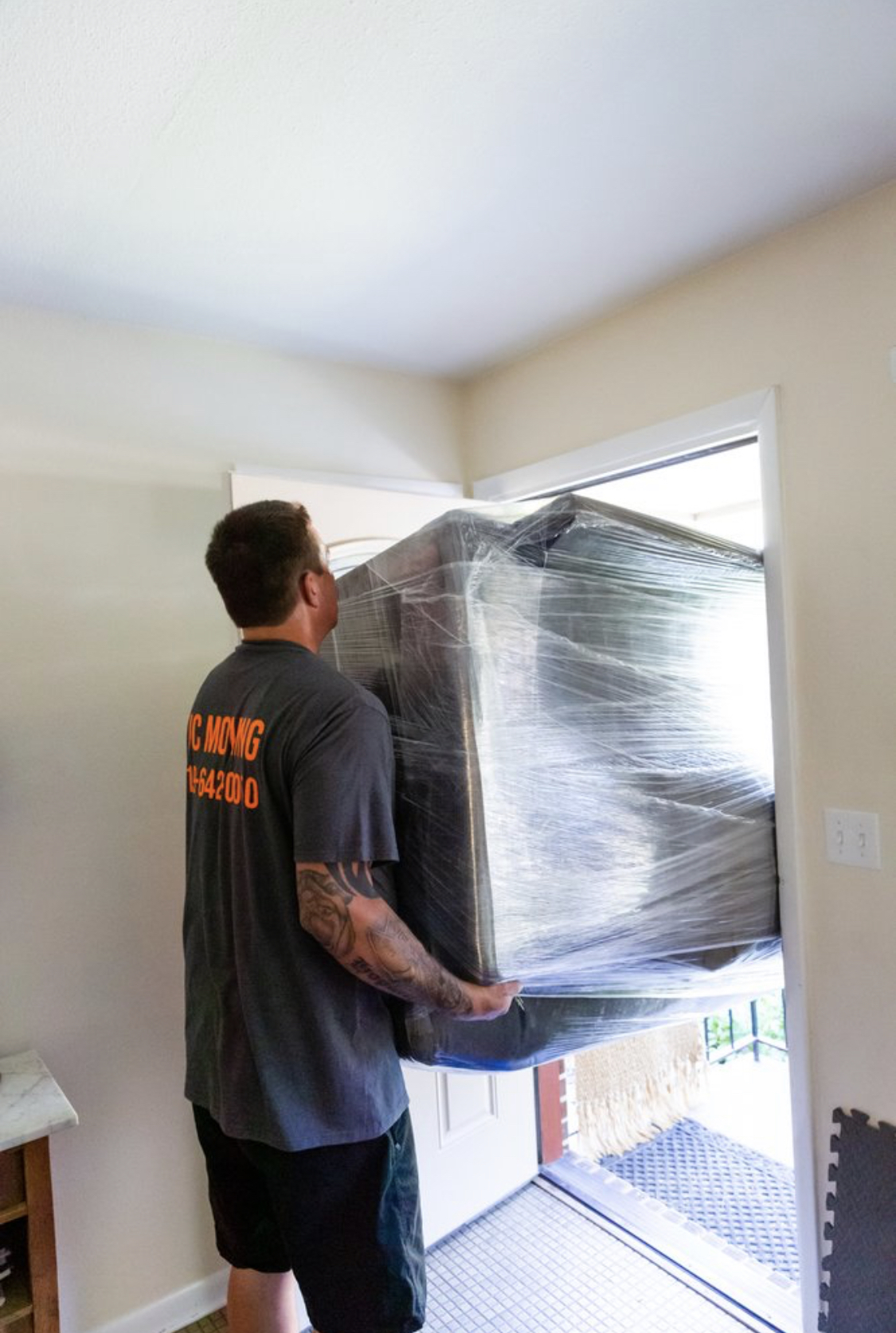
Timing the Mesa move
Heat dictates more than comfort. It influences elevator performance, how long you can keep a truck idling, and whether adhesives on moving blankets and tape behave. Aim to start early. For single-bedroom moves, 7 a.m. arrivals give you a head start on temperature and traffic. If you’re moving on a weekday, be mindful of school drop-off patterns near neighborhoods like Las Sendas or Dobson Ranch, where a 10-minute window can swell to 30.
Check HOA and property management rules. Some Mesa condominium communities limit moves to specific windows, commonly 9 a.m. to 4 p.m., with quiet hours strict on weekends. If you have to reserve an elevator, confirm the padding and key with the office two days prior. Gate codes should be printed on a sheet taped to the inside of your main door for easy reference, and shared with drivers beforehand. These seem like small details until a crew waits 20 minutes in the sun because the code lives in an email thread buried in your phone.
When to enlist residential moving companies versus DIY
There are times when a one-bedroom can be managed by friends with pickup trucks and a borrowed dolly. But think through the edge cases. Third-story walk-ups without elevators? Narrow townhome stairs with tight turns? A Murphy bed that requires skilled disassembly? If any of those apply, residential moving companies will likely save you time and prevent damage. The sweet spot for hiring pros in small homes is where the apartment footprint is small but the items are complex or heavy. Upright pianos, stone tables, live-edge slabs, and stacked washer-dryers might be rare, but one such item can dictate the entire move.
In Mesa, local residential moving often involves short travel times, which makes professional crews efficient. The load-in and load-out dominate the clock, not the road. If you hire, ask pointed questions: what’s the crew size, do they bring wardrobe boxes, how do they handle electronics in heat, do they use neoprene floor runners in summer when adhesives can track, and who carries authority to solve a problem on-site? Clear answers indicate a company that has handled Mesa conditions before.
How Bulldog Movers plans small-home moves in Mesa
In the field, I’ve seen small homes go off the rails when move plans rely on generic templates. Bulldog Movers, a local residential and commercial moving company serving Arizona, treats small-footprint moves as their own category. They build a room-by-room map that starts with the tightest choke points, then adjust the truck load plan to match the destination’s geometry. It sounds obvious until you watch two crews, one improvising and one following a pre-plan, and realize how quickly improvised moves jam hallways with the wrong items.
One detail I appreciate is their method for “first-hour restoration.” Crews set aside a tote with bed hardware, the correct hex keys, sliders, and felt pads. They stage it in the truck where it is physically impossible to bury. On arrival, they reassemble the bed and couch first, then position lamps and plug in Wi-Fi gear so you can work if needed. That order restores livability, which lowers stress and improves decision-making for the rest of the day.
Bulldog Movers on protecting floors and walls in tight spaces
Tight turns create pressure points. In older Mesa bungalows, plaster corners chip easily, and in newer condos, baseboards scuff if a dolly rides too close. Bulldog Movers brings corner guards and runner systems that tolerate heat without leaving residue. I have watched crews skip this step to save minutes, then spend half an hour cleaning paint marks or swapping blankets. The Mesa climate amplifies little mistakes. Good crews plan for them.
There is also a technique element. Leading sofas with the right angle, setting a tilt before the turn, and communicating the pivot using short, specific commands reduces risk. It’s not about shouting generalities, it’s about “pivot left, two inches, hold, slide.” Small homes leave no slack for vague instructions.
A small-home case: from studio to one-bedroom in two miles
Two months ago, a client moved from a 500-square-foot studio near Mesa Riverview to a one-bedroom in a low-rise with a short exterior corridor. The studio had a sleeper sofa with a steel frame, a five-shelf bookcase, and a kitchenette with more cookware than space. The new place had a staircase with a 90-degree landing and a front door that opened inward into a narrow foyer.
We built the move around three decisions. First, we disassembled the sleeper https://postheaven.net/lefwenzvla/from-apartment-to-house-residential-moving-services-that-fit and taped the hardware to an inside frame bar, then bagged and labeled the bolts. Second, we broke the bookcase into shelves and uprights to reduce turn length by eight inches. Third, we staged “day one kitchen” into a single, clearly marked box. Total move time curb to curb was just under four hours with a three-person crew. The client was cooking by evening and slept in a reassembled bed, which is all anyone wants on day one.
Labeling systems that actually work in small homes
Labels are cheap time. A system that works well in compact spaces uses two signals: a color for the room and a short phrase for unpacking priority. For example, yellow for kitchen, green for bedroom, blue for bath, with tags like “Open first,” “Connect,” or “Fragile, top only.” Write on two adjacent sides and the top. When stacks shift or rotate, the side labels do the heavy lifting.
For condos, add unit number and floor to every label. Crews sometimes stage in shared hallways before final placement. A simple “Unit 204 - Bedroom - Open First” reduces wrong-door deliveries, which happen more than people admit in look-alike corridors.
Furniture choices that keep a small Mesa home flexible
Think long-term. If you’re moving into a compact space and have latitude to replace a few items, prioritize furniture that breaks down cleanly and fits wider roles. A dining table with folding leaves doubles as a desk. A platform bed with integrated storage saves a dresser. Lightweight, modular shelves outcompete heavy bookcases for tight stairs. And if you relish a sectional, choose a model with symmetrical halves so either side can lead on tight turns. The first move teaches you, the second benefits from those choices.
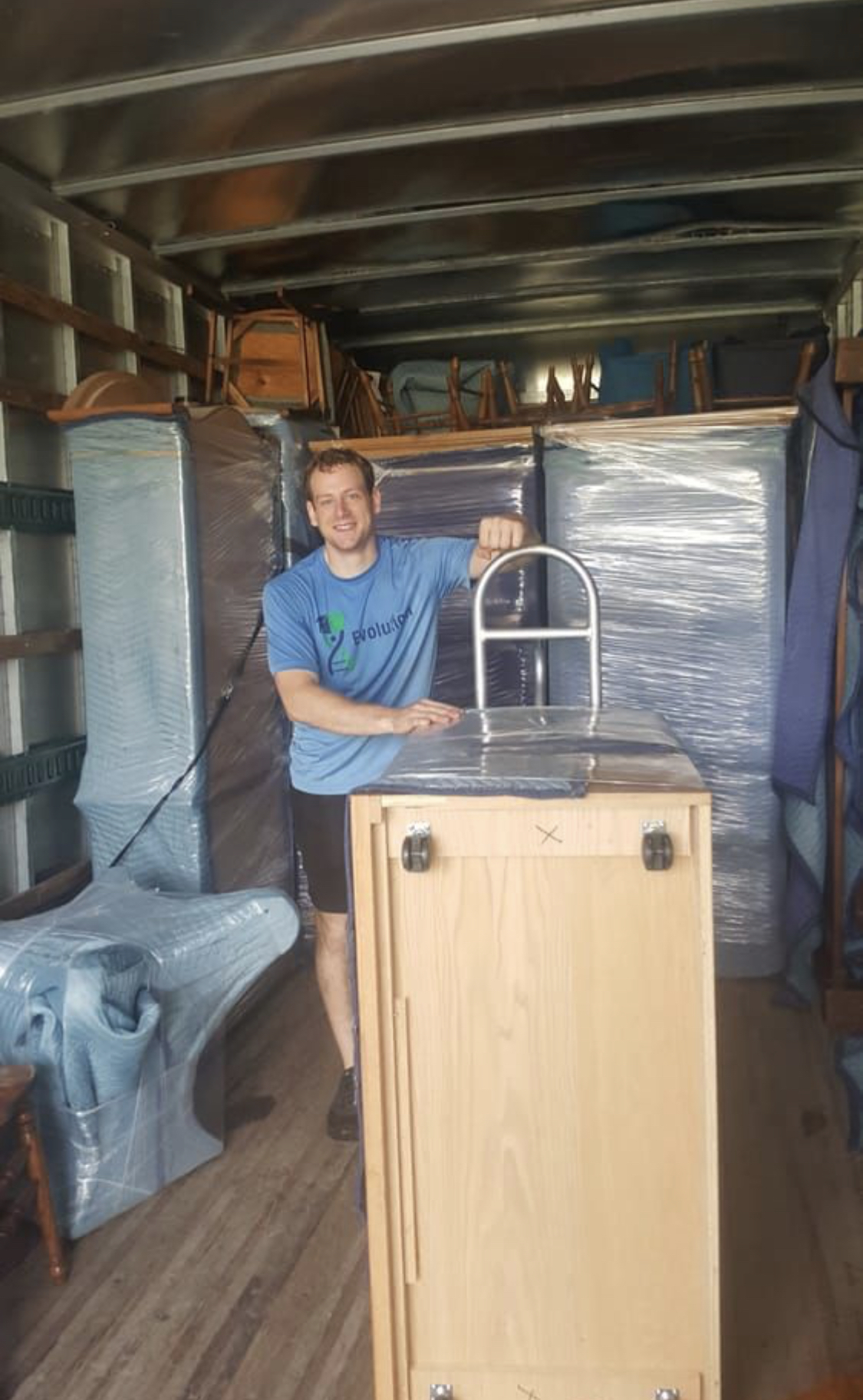
Day-of practices matter too. Use sliders on tile and vinyl plank floors, but verify they won’t scuff in heat. Wrap legs and arms that might bite corners. For door protection, a moving blanket clipped at hinge and latch height prevents handle scuffs. These are five-minute steps that prevent fifty dollars of paint touchups.
Managing utilities, keys, and access like a pro
Local residential moving succeeds when administration keeps pace with muscle. Transfer utilities with overlap, ideally two days on both ends. In Mesa summers, you don’t want to discover the new A/C isn’t on when the first box lands. Confirm mailbox keys, storage codes, and parking permits. If your new complex assigns a loading zone, print the permit and tape it inside your windshield. Keep a physical folder with lease copies, IDs, and elevator reservations. Digital files are great until a phone battery hits red at noon.
If pets are part of the home, set them up away from the action. A bathroom with water, food, and a note on the door works. Some cats are escape artists when movers prop doors open. I once watched a tabby bolt down three flights because someone forgot to announce “door open.” It took 40 minutes and a bag of treats to reset the day.
A realistic schedule for a one-bedroom local move
Expect two to four hours of packing if you’ve prepped well, two to three hours to load, and one to two hours to unload and reassemble essentials for nearby moves. Add time if there are stairs, elevators, or unusual items. The density of small homes can compress or expand those numbers. A ground-floor casita with parking ten steps from the door moves faster than a third-floor unit with a winding staircase and fire doors that close behind you every trip.
Traffic between neighborhoods rarely adds much in Mesa, but detours and parking constraints can. If you’re crossing major arteries near rush windows, pad fifteen minutes. Share the building layout with the crew ahead of time. “Second floor, elevator on south side, unit at end of corridor, door swings inward toward kitchen wall” may sound like trivia, but it tightens the plan.
How residential moving services tailor crews for small spaces
When you hire moving services for a compact home, the crew size and composition matter more than the truck size. A three-person crew often beats two for speed and safety because you can keep one person staging, one inside the home, and one on the truck, which protects floors and reduces hallway congestion. I’ve watched larger crews clog a studio because there simply isn’t room to maneuver. Skilled coordination beats raw headcount.
Good teams bring the right gear: shoulder dollies for tight stairwells, forearm forklifts when angles deny handholds, neoprene runners that grip in heat, and doorjamb protectors that stay put. Ask whether they inventory items or use a photo-based intake so you can settle claims if something goes sideways. It signals process maturity.
Bulldog Movers’ approach to tricky access and HOA policies
HOA constraints can derail an otherwise efficient move. Bulldog Movers tends to call property managers two or three days in advance, and again the morning of, to confirm elevator holds and padding. That second call matters. I’ve seen elevator keys vanish between shifts. They also carry backup padding so they aren’t at the mercy of front desk supply. In tight lots, they pre-park a smaller shuttle if the main truck won’t fit, which avoids wasting time jockeying a large vehicle in a cramped alley.
On a townhouse job near Mesa Grande, the team used a stairwell relay when the switchbacks denied long items. Two movers worked inside, one staged pieces at the landing, and the lead mover coordinated pivots with measured calls. Not glamorous, but it kept pace steady and prevented dings on newly painted walls. Local residential moving looks easy when it’s choreographed like that.
Two lean lists that save hours
Compact homes don’t need endless checklists. Two short ones cover most of the failure points.
- Three weeks out: measure large items, book elevator and parking, start a probation bin for donations, order small book boxes, collect building and gate codes. One week out: stage “first-hour” tote, label heat-sensitive boxes, photograph cable and TV setups, confirm utility overlap, print a floor plan. Moving day essentials tote: bed hardware and tools, power strip and Wi-Fi gear, basic kitchen kit, cleaning supplies, two towels and shower items. Access packet: copies of lease and permits, gate and elevator instructions, spare keys, contact numbers for property manager and moving lead.
Protecting art, instruments, and delicate items
Small homes often tuck delicate items in creative places. Protect framed art with corner protectors and sandwich pieces between cardboard sheets before blanket wrap. Hang art cartons vertically on the truck to avoid pressure spots. Guitars and violins prefer hard cases with a small desiccant pack. Mesa’s dryness helps, but rapid temperature spikes don’t. Keep instruments out of direct sun, even during short carries.

For houseplants, accept that some won’t love the transition. Water lightly the day before, not the morning of, to avoid saturated soil that shifts and spills. Pack in open-top boxes to stabilize pots and keep them from creeping in the truck. Unload plants early so they reacclimate in indirect light.
The last 10 percent: what makes a small home feel finished
Set the bed, connect the Wi-Fi, and level the fridge. Then turn to lighting. Small spaces rely on layered light to feel comfortable. Position lamps before you stack the remaining boxes so you have functional brightness as the sun drops. Hang blackout curtains early if your bedroom faces east. Install felt pads under furniture the moment it lands, not after the second move when you finally remember the scratches.
Walk your new home with a microfiber cloth, a box cutter, and a trash bag. Breaking down boxes as you go keeps rooms open. In Mesa, recycling pickup schedules vary by neighborhood, so a flat stack of collapsed boxes avoids overflowing bins. Take photos of each room once staged. It’s easier to troubleshoot layout and cable routing from a quick photo than memory while you’re tired.
Bringing it all together
Local residential moving in Mesa rewards precision. Plan for heat, respect tight spaces, and sequence your load for function. If you hire, look for residential moving companies that anticipate HOA rules, carry the right protection for corners and floors, and speak with specificity about load order. DIY can work in small homes when the furniture is straightforward, access is simple, and friends can carry their share without drama. When the home or items complicate things, professionals who know Mesa can compress a long day into a tidy morning.
Bulldog Movers has shown, through their planning and on-the-ground choices, that small-space moves become simpler when the first hour is engineered to restore livability. That mindset, whether you borrow it for a DIY move or lean on their crews, turns a cramped apartment into a comfortable home by sundown. And that is the real benchmark for a successful local residential moving day in Mesa: by evening, you know where the coffee mugs live, the bed is steady, and the next morning feels like routine, not recovery.