Moving a household looks straightforward on paper. Pick a date, hire help, pack boxes. In practice, it’s a series of interlocking decisions that ripple through your calendar, your budget, and your sanity. The right timeline protects you from premium rates, limited availability, and rushed choices that lead to damage or delays. A sloppy schedule is how people end up packing until 2 a.m., calling in favors from neighbors, and paying extra because every reputable crew was booked weeks ago.
I’ve managed residential moving timelines for busy families, downsizing retirees, and first-time homeowners with tight closing windows. The pattern is consistent: success hinges less on how hard you work in the final week and more on what you set in motion six to ten weeks ahead. Below is a practical roadmap, with real timing benchmarks and decision points that match how residential moving actually plays out, from local residential moving to more complex multi-stop days.
Why the clock matters in residential moving
The calendar drives price, availability, and risk. Most residential moving companies fill up fastest for month-end, Fridays and Saturdays, and the middle of summer. If you want a prime slot with a crew you trust, you plan around those patterns. If you’re juggling a home sale or lease turnover, the calendar also determines whether you can clean, patch holes, and hand over keys on time without paying for an extra day’s rent.
Local moves can lull people into complacency. The distance is short, so it seems manageable. Then comes the garage, the attic, and the closet you never opened, and suddenly a simple day move becomes a two-day scramble with extra truck runs. A professional timeline accounts for volume, access, and special handling, not just miles.
The long view: six to ten weeks before move day
This phase is about setting your constraints and booking the anchor pieces. It’s where the biggest savings happen, not just financially but in stress avoided.
Start by mapping your hard dates. If you’re closing on a home, check contingencies that might push the date. If you’re leaving a rental, confirm notice requirements and exact turn-in expectations. The goal is to place the move day with clear buffers: a day for cleaning after loading out, and ideally a day after close to move in if you can arrange it. That cushion absorbs delays from lenders, walk-through punch lists, or a surprise appliance delivery.
Next, vet moving services. For local residential moving, Mesa and the rest of the East Valley have a busy weekend cadence, especially in spring and summer. Talk to at least two residential moving companies, ask about crew size, typical truck capacity for homes like yours, and whether they include basic materials like pads and shrink wrap. If you have stairs, narrow hallways, or a long carry from truck to door, surface that early. What sounds like small talk during quoting often becomes an extra hour on the clock.
If you know you have high-value items, set expectations. A grand piano or safe usually requires a specialized crew or equipment. Custom crating for oversized art takes a week or more to arrange, and you do not want to be hunting for crates the Friday before a Saturday move.
Four to six weeks out: inventory beats guesswork
The cleanest moves begin with a realistic inventory. The industry norm is to underestimate. A two-bedroom home often hides 60 to 80 boxes when you count the kitchen, books, closets, and the “miscellaneous” shelf in the garage. A three-bedroom single-story can push into 100 to 140 boxes, depending on lifestyle. Add a patio set, sectionals, and garage cabinets, and you’ll see why crew size matters.
At this stage, walk room by room with your phone and record short videos. It’s easier than a spreadsheet, and it gives your moving services provider a clear view of volume and access. If you plan to self-pack, set weekly goals by category. Kitchen and décor first, everyday clothing and toiletries last. Label every side of every box with room and brief contents. You don’t need to be poetic, just clear: “Kitchen - spices, baking tools,” or “Office - cords and router.”
This is also the window for supply planning. Cheap boxes cost you twice: they bow, they don’t stack, and crews spend more time securing them. Professional-grade boxes stack cleanly on dollies and reduce elevator trips or long carries. If your movers sell materials, ask for a mixed bundle tailored to your rooms. A simple rule of thumb: dish and glass packs protect better and actually speed up packing, because the inserts keep items stable without over-wrapping.
Two to three weeks before: access, paperwork, and the small logistics
Securing the pathway for the crew can save an hour or more. If you’re moving from or into a building with an elevator, book it now. Confirm loading dock hours and vehicle height limits. If it’s a single-family home, clear driveway space for the truck. In some neighborhoods, placing cones the night before or coordinating with neighbors avoids a morning buffer you don’t have.
At this point, confirm your service window and crew size with your moving company. If you have both packing and moving services, schedule packing at least one full day ahead, two if the home is three bedrooms or larger. People sometimes try to pack and load the same day to save money, but one delay on the packing side cascades into a rushed load, and rushed loads lead to damage and overtime.
For utility transfers and address changes, block an hour one evening to knock them out in one sitting. Power, gas, water, internet, and insurance endorsements should be set with effective dates that align to your move-in. Allow at least a week lead time for internet installation, especially if you rely on it for work.
The final week: precision and backups
This is the make-or-break stretch. You don’t need heroic efforts if you’ve followed the steps, just disciplined finishing.
Set aside a “first 48 hours” kit for each person in your household. Two changes of clothes, basic toiletries, medications, chargers, and a small towel. For the home, pack a simple move-in box with a utility knife, trash bags, basic tools, paper towels, surface cleaner, and a few rolls of toilet paper. Keep these in your car.
Defrost and dry the refrigerator at least 24 hours before loading. Drain lawn equipment of fuel. Remove propane from grills. Wrap outdoor items in advance if they’re dirty or have loose parts. Coil hoses and tie them off. Movers can do this, but spending 30 minutes on it yourself keeps the truck cleaner and the crew faster.
Confirm payment method and insurance details with your moving company. Most residential moving companies offer standard valuation coverage that is limited by weight. If you want higher protection, ask about declared value options early enough to document items. Take photos of high-value pieces before the move.
Morning-of protocol: how your crew sets the tone
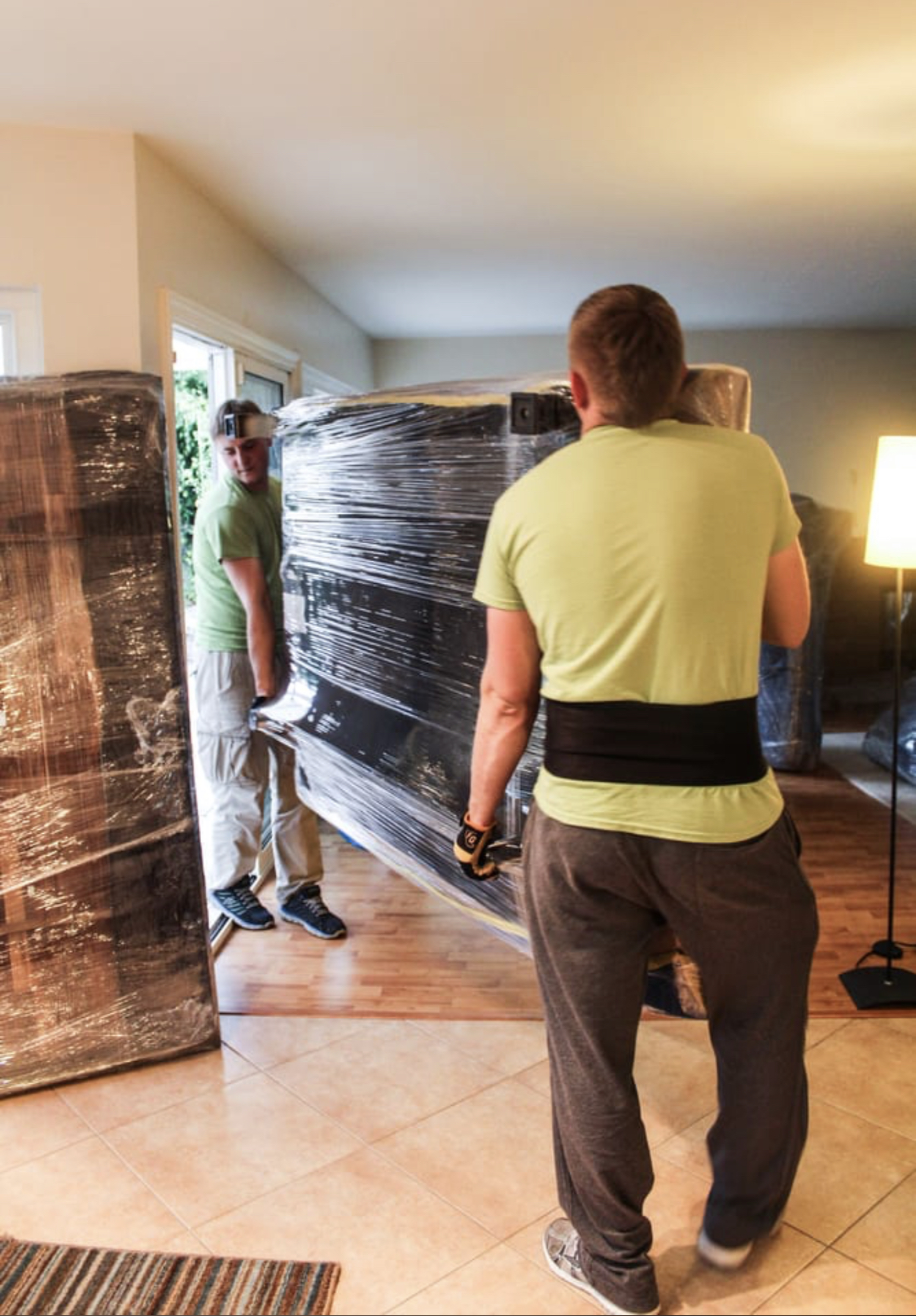
A well-run morning has a rhythm. The lead introduces the crew, walks through the home with you, notes pre-existing dings on furniture, clarifies what’s going and what’s not, and identifies the load order. Fragile or soft goods get staged first, then the heavy backbone pieces, then boxed goods that can fill voids in the truck efficiently. Good crews do small protection first: door jamb guards, floor runners, banister padding. It looks like extra time, but it reduces “slow damage,” the scuffing that turns a clean move into a repair list.
For local residential moving, Mesa residents often forget about heat. If temperatures are high, keep water accessible and the thermostat on until the last moment. Heat affects adhesives on tape and furniture pads. A hydrated crew works smarter and faster.
Where people get tripped up on timing
Three timing mistakes show up again and again. First, underestimating the kitchen. Glassware, plates, and pantry contents generate more boxes than almost any other room. Giving the kitchen a dedicated half day avoids a 10 p.m. scramble. Second, failing to measure large furniture against doorways at the destination. A sectional that turned a corner in the old house may not make a tight stairwell in the new one. Third, scheduling cleaning too tight to loading. If you can, bring in cleaners for the late afternoon after the truck departs. Trying to clean while movers are still working slows everyone down.
How Bulldog Movers sequences a residential move
Bulldog Movers, a local residential and commercial moving company serving Arizona, runs moves with a timeline-first mindset. Their coordinators prefer to https://www.homelovemovers.com/ lock in a moving window four to six weeks ahead for month-end and summer, because crew quality is the real constraint. They stage packing the day before for homes with three or more bedrooms, which seems obvious until you see how many plans try to compress both into a single day.
In practice, they treat inventory as a living document. After the initial estimate, they ask for a brief video update two weeks out, just to catch the things that sneak in: a newly purchased patio set, a garage purge that never happened, a treadmill you forgot you owned. That update lets them adjust truck size or add a third mover, which can turn an eight-hour day for two into a five-hour day for three, often at a similar total cost and with less fatigue on your furniture.
Bulldog Movers and the art of avoiding overtime
Overtime is not just about clocks. It’s about sequencing, access, and where the truck sits. In my experience, Bulldog Movers will press for an early start if your parking is constrained. They’d rather stage in the driveway at 7:30 a.m. than circle at 9:00 while a neighbor leaves for work. If two locations are involved, they plan break points to avoid moving during school pickup windows or rush hour. That habit saves an hour on a cross-town local residential moving day without anyone lifting faster.
They also carry extra floor protection and door guards, which sounds minor until you see what happens when crews improvise with blankets. Clean, quick setups allow them to roll dollies at pace without babying every threshold. It’s small operational discipline tied directly to timeline control.
Planning for edge cases and tight windows
Some timelines are messy. A same-day close, a move-out and move-in with no gap, or a building with strict elevator slots. The trick is to create artificial slack. If your elevator is booked 10 a.m. to noon for loading, aim to have everything boxed and staged near the door before the crew arrives, and ask for a slightly larger crew to compress the load. If your destination won’t be available until late afternoon, ask your moving services provider whether a split crew can unload quickly after 4 p.m. Many residential moving companies can split a team between jobs to hit tight windows without paying for a truck to sit idle.
For a single-truck scenario with a late-day move-in, the load may finish early. If the truck must wait, plan where it will sit safely. Some HOAs restrict truck parking. Verify street parking rules, especially for cul-de-sacs. A 26-foot box truck needs more swing room than people anticipate.
Cost signals embedded in timing
Pricing for local moves typically blends hourly rates with minimums and occasionally travel or fuel charges. Your timeline influences all of it. Weekend or month-end slots may carry higher minimum hours. Starting later in the day risks pushing into evening rates if your provider uses tiered pricing. A double-slot day where the crew must finish by 1 p.m. to make a second job can be efficient if your load is small, but risky if your inventory swells. If you’re on the bubble between a two-mover and a three-mover crew, talk about the break-even point. Often, a third mover reduces total hours enough to keep the bill neutral while protecting your schedule.
A common false economy is refusing a second truck for a large home. Two trucks cost more per hour, but a two-run single truck can idle a crew while waiting for a reload, and your day stretches, risking building access cutoffs and frayed nerves. Ask your estimator to model both scenarios with realistic load times, not just driving time.
Weather and seasonality in Arizona
Arizona’s seasons matter. From May through September, heat changes how crews stage and how you plan breaks. Hydration slows down the day if you don’t plan for it. In monsoon season, sudden storms can hit during loading or unloading. Crews need extra plastic to wrap soft goods and electronics if clouds build. Timing to avoid storm windows can be as simple as targeting a morning load and mid-day drive, rather than pushing key parts of the move into late afternoon.
For local residential moving in Mesa, the sun angle turns driveways and entrances into hot plates by mid-day. If you can, identify shaded routes from the door to the truck, or place a pop-up canopy over the path. It sounds like overkill until you see how much faster dollies move when grips aren’t too hot to handle.
Packing timeline by room type
If you’re self-packing, sequence your rooms by density and fragility. Books and décor can go first. Clothes you won’t wear in the next two weeks can follow. The kitchen should be split into two sessions: rarely used items a week out, daily-use items in the final two days with a small set of plates and utensils left out. Bathrooms pack quickly, but keep a small caddy of essentials out until the morning you leave. The garage takes longer than expected due to odd shapes and hazardous items that movers can’t transport, like chemicals and paints. Plan a disposal or donation run for those at least a week before.
Small tricks add up. Wrap flatware trays in plastic wrap and drop them straight into boxes. Use stretch wrap to secure dresser drawers if your movers allow contents to stay. Mark boxes that you’ll want first with a distinctive color or symbol. If you’re labeling on the top of boxes only, add a piece of tape on at least one side so the crew can read it when stacked.
The two lists that matter
- A six-to-eight-week snapshot: Confirm hard dates for close or lease turnover, then pick a move day with a buffer. Collect two quotes from residential moving companies and ask about crew size, equipment, and availability. Start a room-by-room video inventory for accurate estimating and early planning. Plan for specialty items like pianos or safes, including any building or HOA permissions. Order professional-grade packing supplies or schedule professional packing if desired. The final-week checklist: Confirm crew arrival time, parking, elevator reservations, and access codes. Finish kitchen and fragile items, and set aside first-48-hour kits for people and the home. Defrost and dry the refrigerator, empty fuel from equipment, and detach propane tanks. Stage boxes by room near exits for faster loading, without blocking pathways. Photograph high-value items and verify valuation coverage with your mover.
Communication cadence with your mover
Good moves are conversational. A quick message seven days out with any updates to inventory or access conditions is not pestering, it’s professional. If your movers know you added a patio heater and three planters, they may add an extra dolly and save 30 minutes. If street parking changes due to a neighborhood event, giving them a heads-up lets them adjust arrival time or truck placement.
On move day, designate one decision-maker. The crew lead needs answers about what to disassemble, what to wrap, and where to stage. When two people give conflicting instructions, time slips and items get misrouted. If kids or pets will be around, set up a safe zone away from the main pathways.
After the truck: the unglamorous but essential closeout
Loading out is only half the schedule. Plan for key steps after the truck pulls away. A final sweep of the old home catches items in dishwashers, under sinks, or in the side yard. Check attic spaces and behind laundry machines. A simple photo of each empty room helps with security deposit conversations or closing documentation.
At the new home, direct placement by room beats a quick dump. It’s faster to position furniture once with the crew than to drag a sectional across a floor later. If you’re short on time, prioritize beds, the refrigerator, and a simple living area. Leave art and décor for a quieter day. Resist the urge to tear into every box. Systematic unpacking saves your back and your schedule.
Lessons from complex local moves
A three-stop move, where you pick up items from storage or a second apartment, is a scheduling puzzle. The truck pack must anticipate what unloads first. If the last location gets the first unload, those items should be loaded last. It’s Tetris with heavy objects. Share the full plan with your mover and ask how they’ll stage. For tight driveways or low-hanging trees, scout the route. A surprise low branch can force a reroute that eats 20 minutes.
If you live in a community with quiet hours, time your arrival accordingly. Crews can pad furniture outside the truck, but they can’t run dollies past posted limits. Late arrivals can trigger fines or neighbor complaints. A simple call to the HOA for written approval of your window prevents headaches.
When to adjust the date
Sometimes the smart move is to slide the schedule. If your closing is wobbly, adding a day costs less than paying a crew to wait. If your elevator slot changed or the building added a carpet cleaning that conflicts with your time, ask your moving company about flexibility. In my experience, firms that focus on residential moving build in contingency options if you communicate early. Last-minute changes are harder, not because companies are inflexible, but because good crews are already committed.
The Mesa rhythm and how to work with it
For local residential moving, Mesa has predictable volume surges: college turnover periods, snowbird arrivals and departures, and the classic month-end crunch. If your preferred date lands on those peaks, booking eight weeks out is prudent. Conversely, midweek moves in shoulder seasons can offer more flexible windows and calmer roads. The I-60 and Loop 202 corridors can jam quickly around commute hours. Target a mid-morning load start and a midday transit to thread the lightest traffic.
Heat again is your invisible variable. Moves that cross midday in July drag unless paced well. Scheduling a short lunch break in shade and keeping hydration in reach is not just humane, it preserves the pace for the afternoon push.
How Bulldog Movers handles the tightest scenarios
In a recent Mesa townhouse move with a narrow stairwell and strict HOA hours, Bulldog Movers proposed a two-phase approach. They pre-staged boxed goods to the garage the afternoon prior with a small team, then returned with the main crew at 8 a.m. to load furniture and roll straight to the destination. That split kept them inside the HOA’s 9 a.m. to 4 p.m. window and avoided any stairwell congestion with neighbors leaving for work. The timeline looked odd on paper, but it shaved an hour and a half off the total and cut building friction to zero.
Their coordinators will also ask about your final room layout before the truck arrives. Not to lock you in, but to anticipate assembly time. Knowing which bed frames, tables, and modular sofas need setup lets them front-load hardware and tools rather than digging for parts at the last minute.
Building your move around people, not boxes
Schedules exist to protect energy and attention. Families with young kids benefit from arranging childcare or playdates on loading day. Older adults often prefer two shorter days over one marathon. If you work from home, keep a laptop and hotspot accessible, but expect patchy productivity during the move window. Plan around that reality rather than fighting it.
Your movers are people too. A clear path, labeled boxes, and realistic expectations transform a service appointment into a coordinated project. With that alignment, a residential move is less about lugging and more about choreography.
A timeline you can trust
If you remember nothing else, remember the arc. Place your move day with buffer. Lock in your moving services early, with clear inventory and access notes. Sequence packing with the kitchen in two waves. Confirm logistics in the final week and protect the morning-of setup. Expect small surprises and give yourself grace in the last 10 percent.
A good mover will partner with you on that arc. Bulldog Movers, like other seasoned residential moving companies, builds its operations around these timing truths because they’re the difference between a long, chaotic day and a controlled transition. Whether your move is across Mesa or a few neighborhoods over, the calendar is your most powerful tool. Use it early, and use it well.